Welcome to
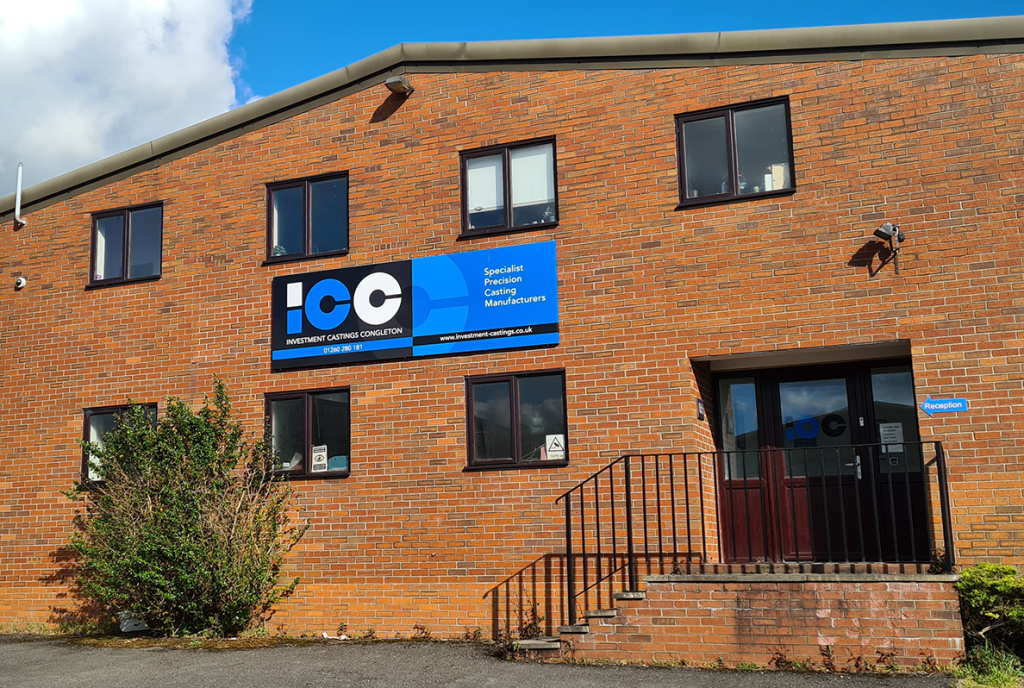
Investment Castings Congleton Ltd
Specialist UK
Precision Casting Manufacturers
Investment Castings (Congleton) Ltd are one of the leading specialist precision casting manufacturers in the UK
We are one of the few companies who are able to do all the manufacturing processes in-house.
About Us
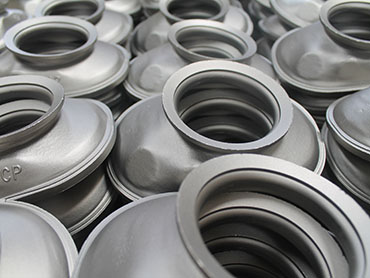
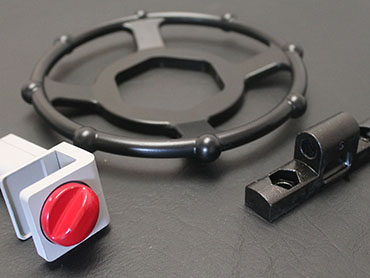
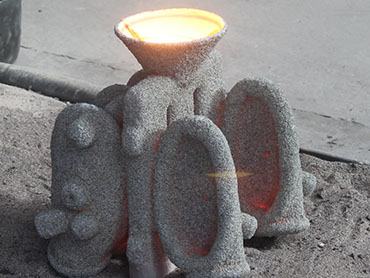
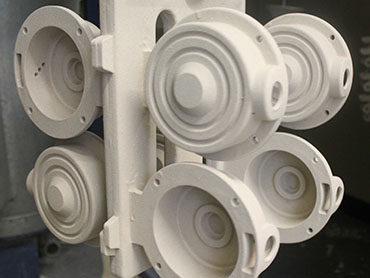
Investment Castings (Congleton) Ltd are a leading UK supplier of quality castings with over 50 years experience in the industry. We use the lost wax casting process to create precision critical investment castings.
In-House Service
We offer a complete in-house end-to-end service incorporating design, tooling, rapid prototyping, casting and finishing. This enables us to have complete control throughout the manufacturing processes.
Investment Castings Congleton Ltd
Why Choose Us?
Our purpose built manufacturing plant enables us to have complete control throughout the manufacturing processes that incorporates our own in-house design and tooling facility, rapid prototyping and the very latest manufacturing techniques monitored for excellence at every stage.


Quality Assured
All elements of the manufacturing process are carefully monitored with final inspection by our quality control department before despatch. We manufacture to full UKAS Standards and are accredited the BS EN ISO 9001:2015 Certificate.
Wide Range Of Materials
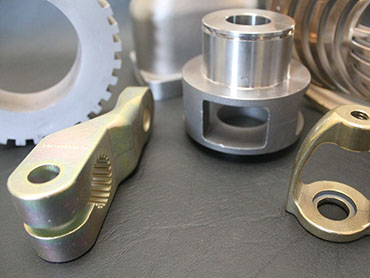
We work with a wide range of materials including - Stainless Steel, Carbon Steels, Aluminium, Brass, Bronze and we are able to supply castings in quantities ranging from just ten to many thousands. Contact us - we're here to help you.
Valued Customers
Our customers come from an extremely diverse range of industries including the Automotive, Transport, Defense, Aerospace,etc. All are able to rely upon the accuracy, quality and value that our manufacturing facility delivers.
Customer Support
Investment castings are our business. Furthermore, we appreciate that customer support is fundamental to the success and longevity of any business relationship and we will work closely with you to understand your needs.